Designing a Seamless Wedding Timeline
(For Honest, Calm Storytelling)
One of the most defining elements of your wedding imagery isn't the lens or the lighting—it is the pacing of your day.
A well-considered timeline grants everyone room to breathe. It preserves the quiet, unscripted moments and ensures your portraits feel completely unhurried. Documenting weddings as a unified team has shown us that protecting the natural rhythm of your celebration is the ultimate canvas for genuine storytelling.
Begin with the Structural Landmarks
Start your planning by anchoring the fixed chapters of the day:
Ceremony & Reception Times: Establish your formal guest arrival and gathering times.
Venue Curfews: Note any specific constraints or final conclusion times.
The Sunset Window: Identify the exact golden hour for your date to naturally frame your portraits.
Once these core pillars are set, the rest of your timeline can be crafted intentionally around them.
Incorporate Gentle Windows of Breathing Room
The most seamless days are those that afford generous space for transitions. We recommend embedding light buffers across key moments:
Preparation: Allow an extended window for morning preparations. Letting hair and makeup conclude early keeps the atmosphere entirely calm.
Transit: Introduce an extra fifteen minutes to your travel windows to navigate the day effortlessly.
Formals: Keep family and wedding party portraits focused and efficient, allowing everyone to rejoin the celebration quickly.
Portraits: Dedicate an unhurried, dedicated chapter for your couple portraits rather than fitting them into a compressed window.
These intentional pauses elegantly guard the relaxed, documentary feel of the day.
The Blueprint of an Eight-Hour Flow
For the majority of the celebrations we document, a balanced framework often shapes up beautifully:
Mid-Afternoon — The final chapters of morning preparation and elegant portraiture.
The Ceremony — The emotional focal point of your day.
Gatherings & Portraits — Focused family pairings followed by a relaxed portrait session in natural light.
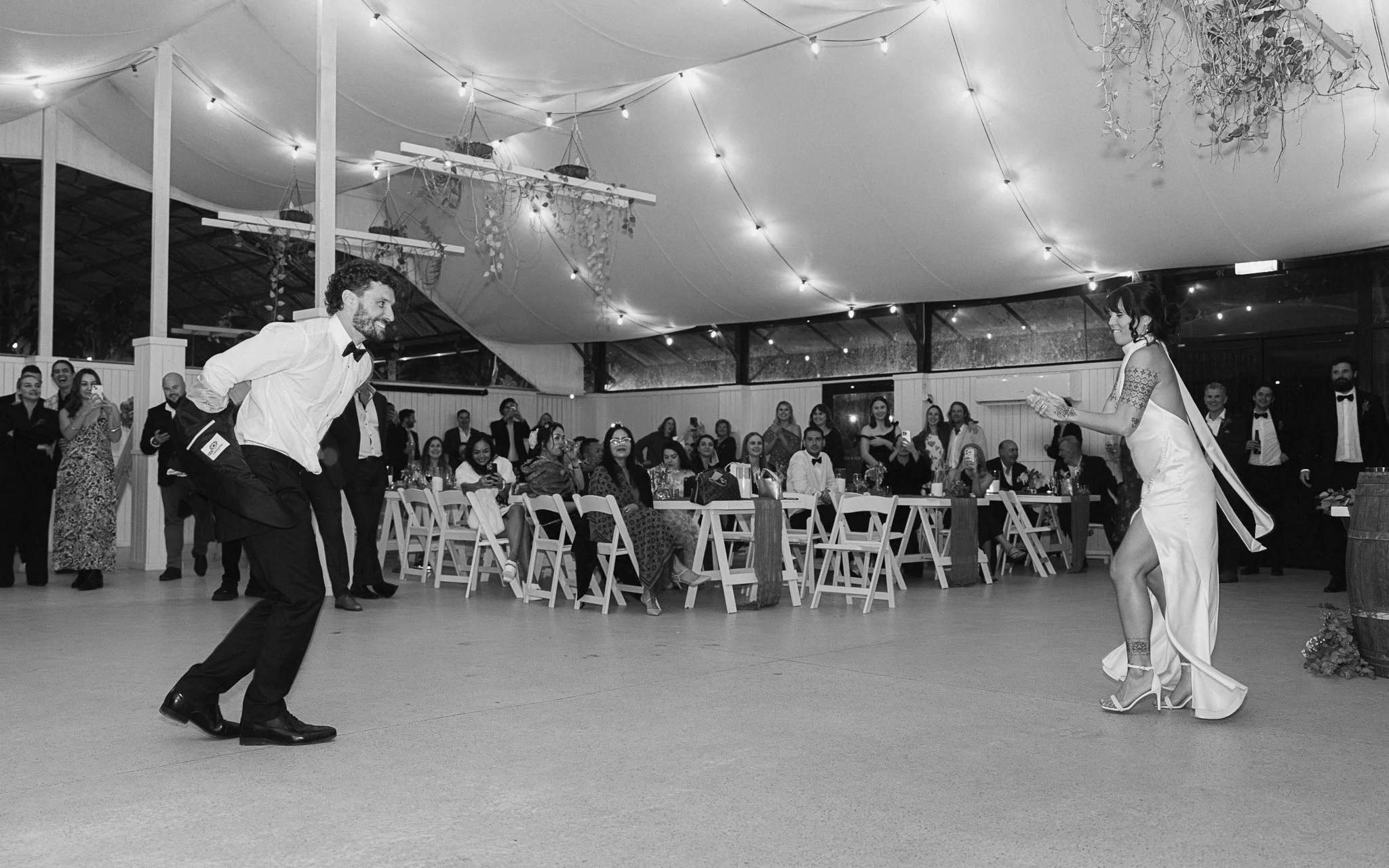
The Reception — Speeches, first dances, and the unforced, candid interactions of your evening celebration.
This structured flow ensures we elegantly preserve both the grand emotional beats and the quiet, fleeting details without anyone ever watching the clock.
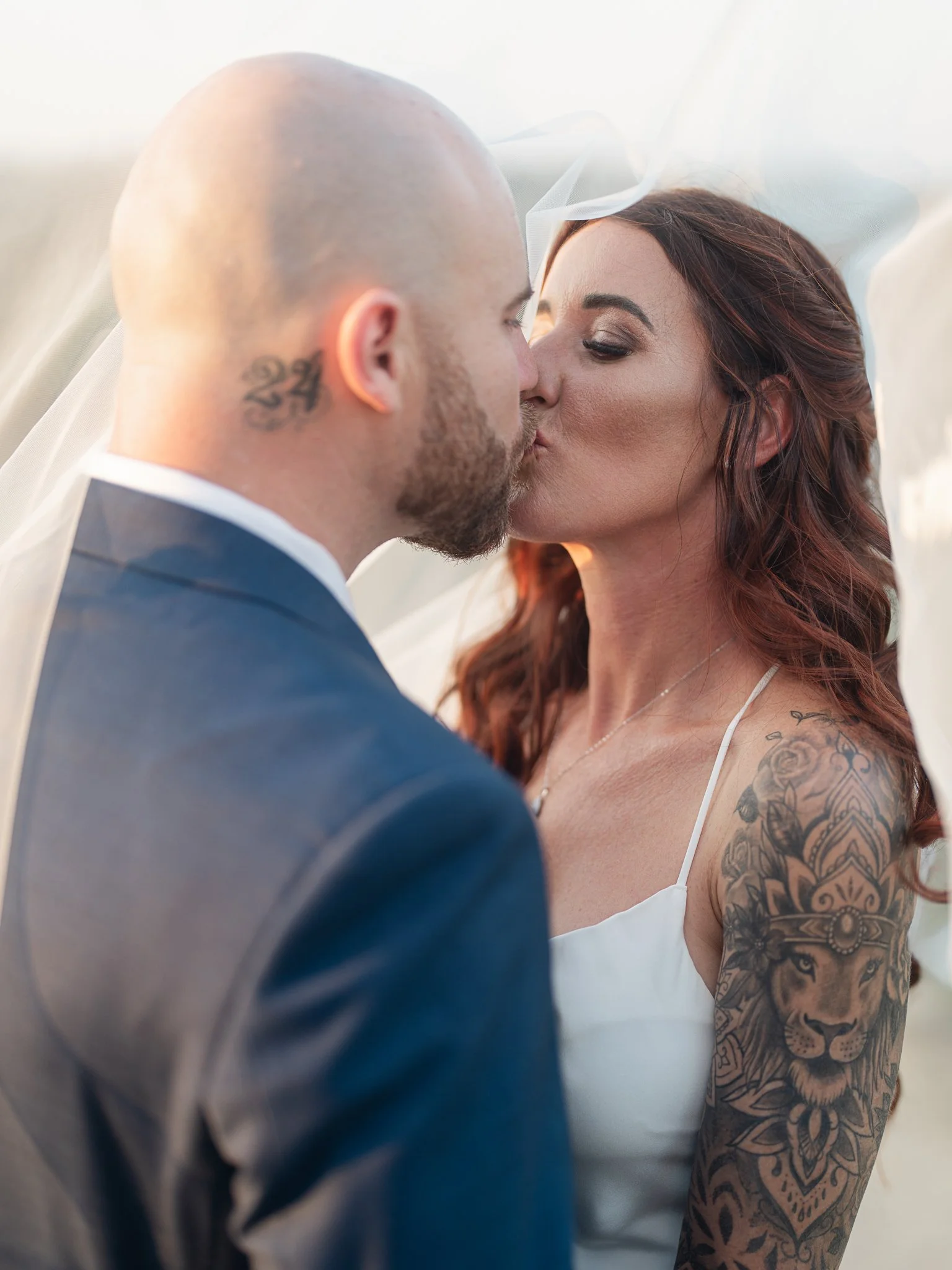
The Geometry of Your Day: First Look vs. Traditional
Choosing whether to share a private moment before your ceremony simply introduces a different visual pacing—both paths unfold beautifully.
With a First Look: Sharing a private reveal allows you to complete your couple and wedding party portraits early in the day. This completely liberates your afternoon, allowing you to immerse yourselves entirely in your cocktail hour alongside your guests.
The Traditional Timeline: Your couple portraits take place following the ceremony. We will slip away for a brief, natural window during the cocktail hour or later in the evening to weave the best soft light into your story.
This is entirely a personal reflection of how you wish to experience your day. We are always here to map out whichever rhythm feels most authentic to you.
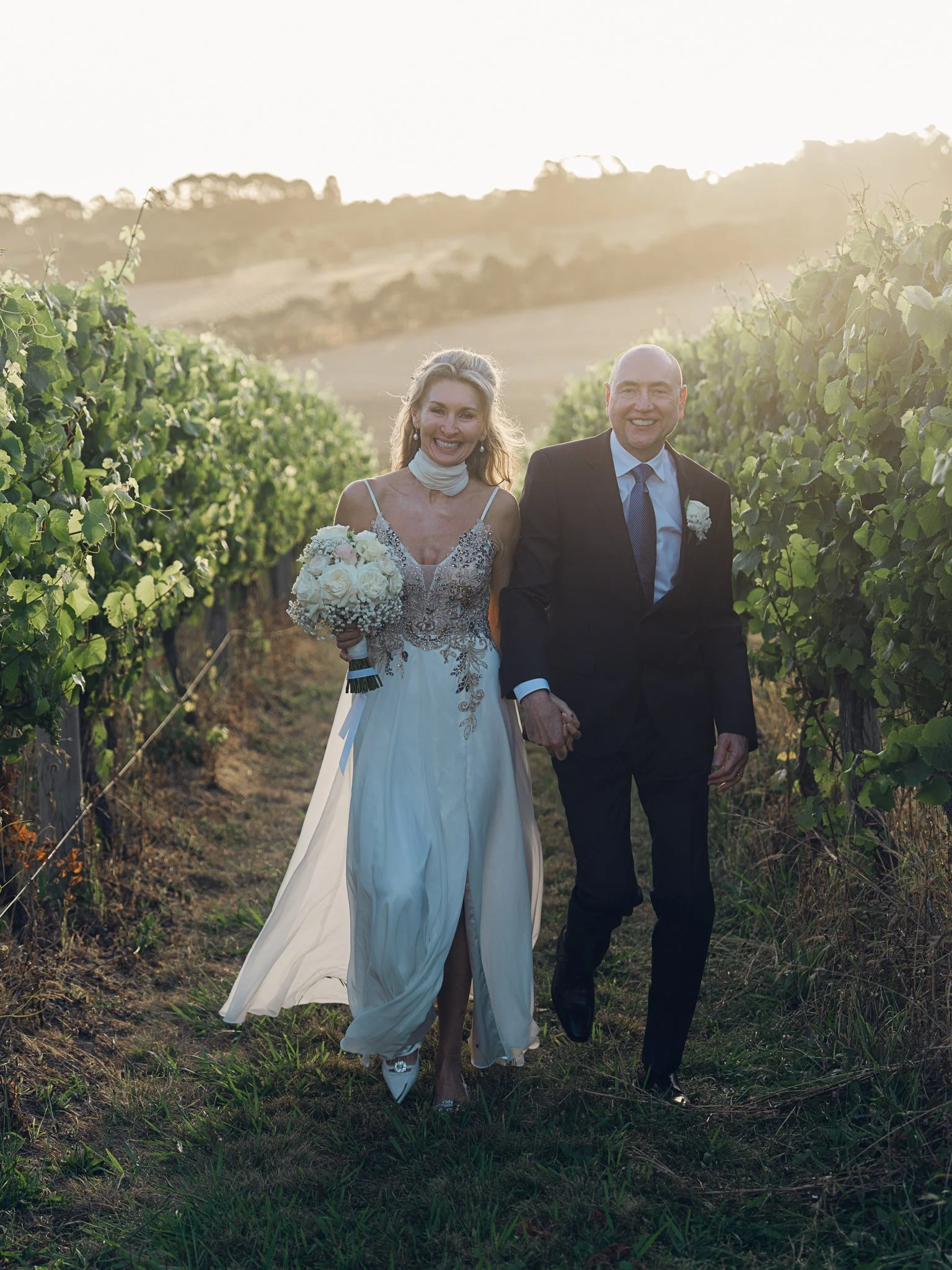
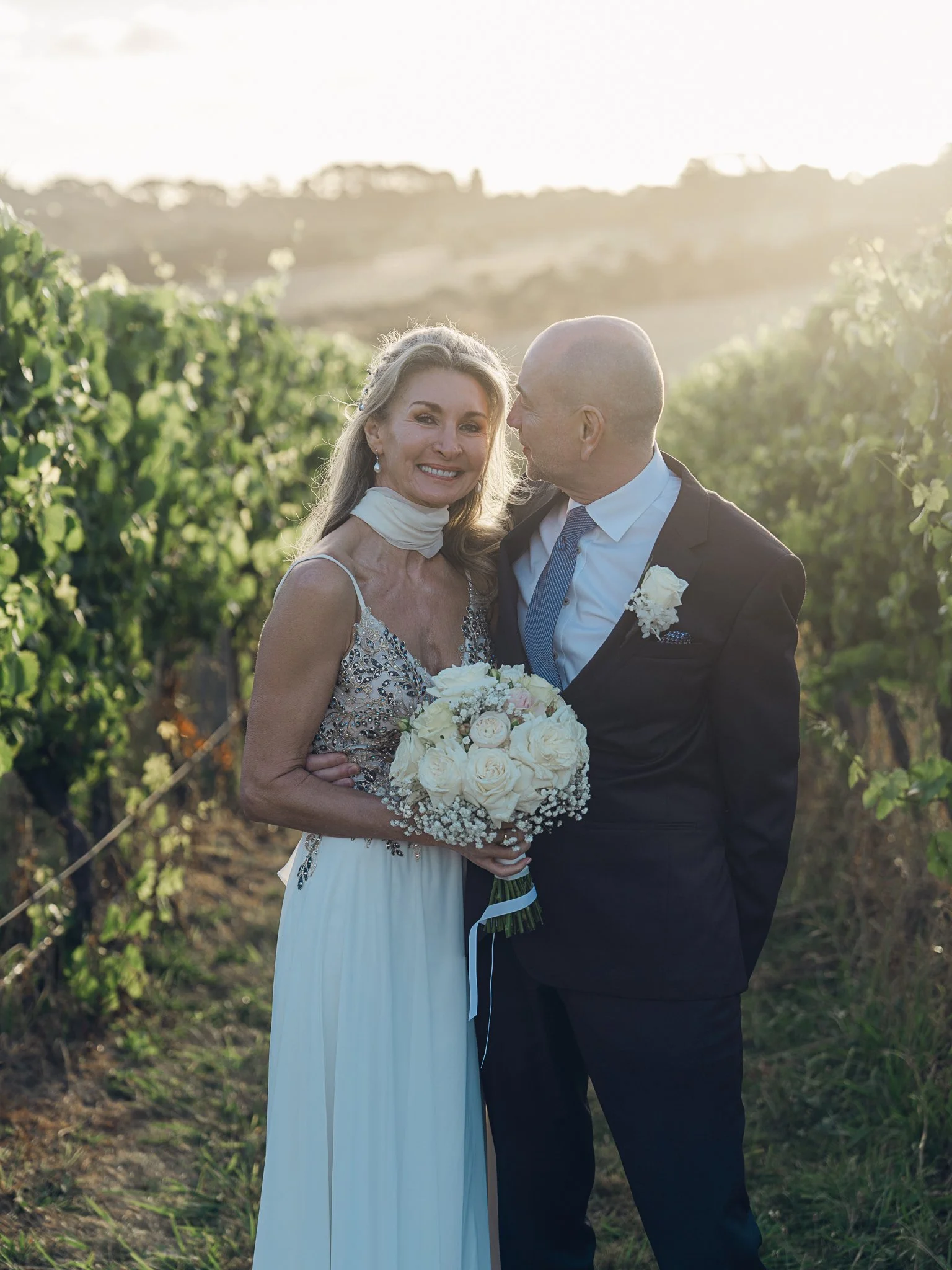
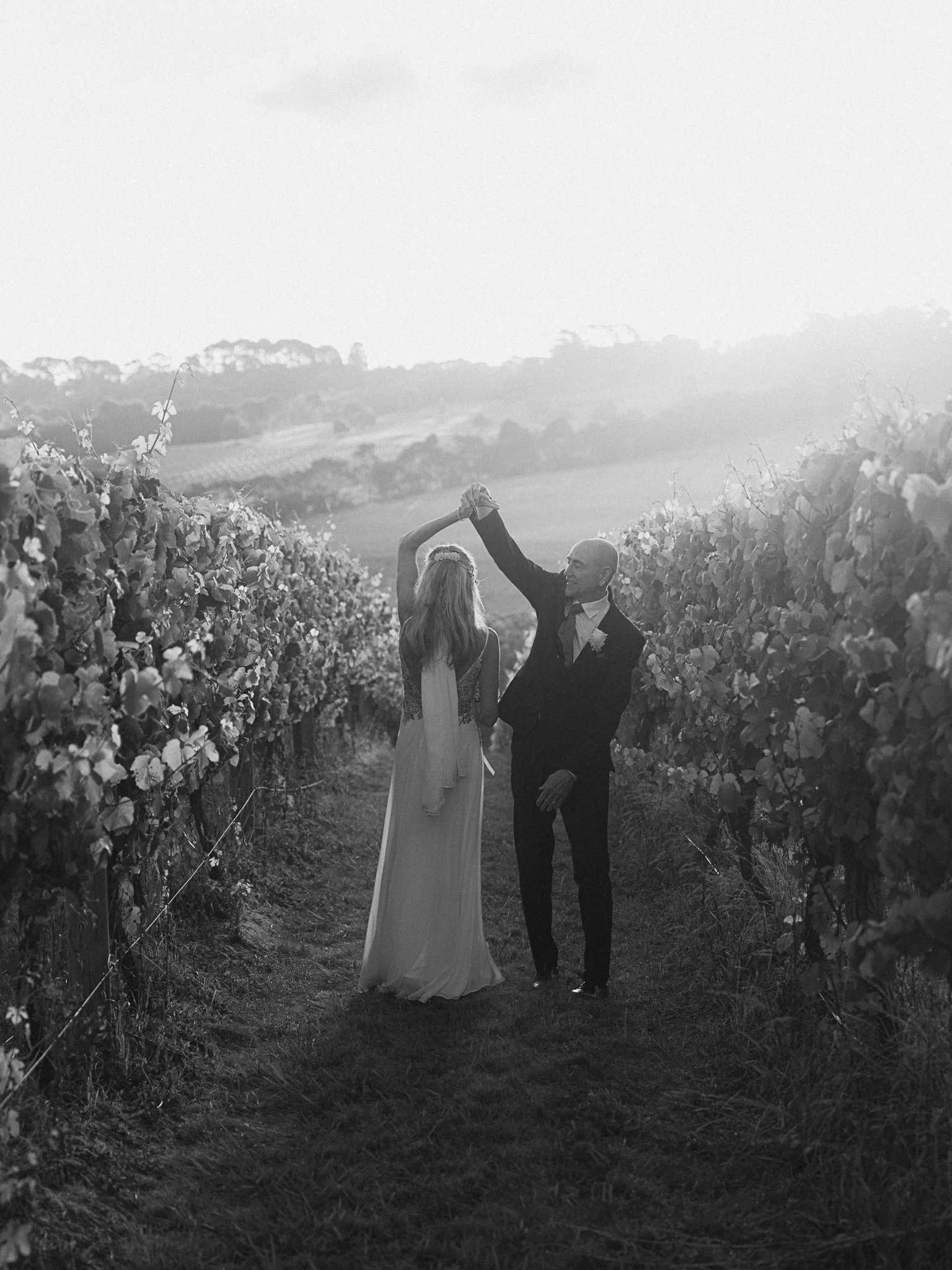
Embracing the Golden Hour
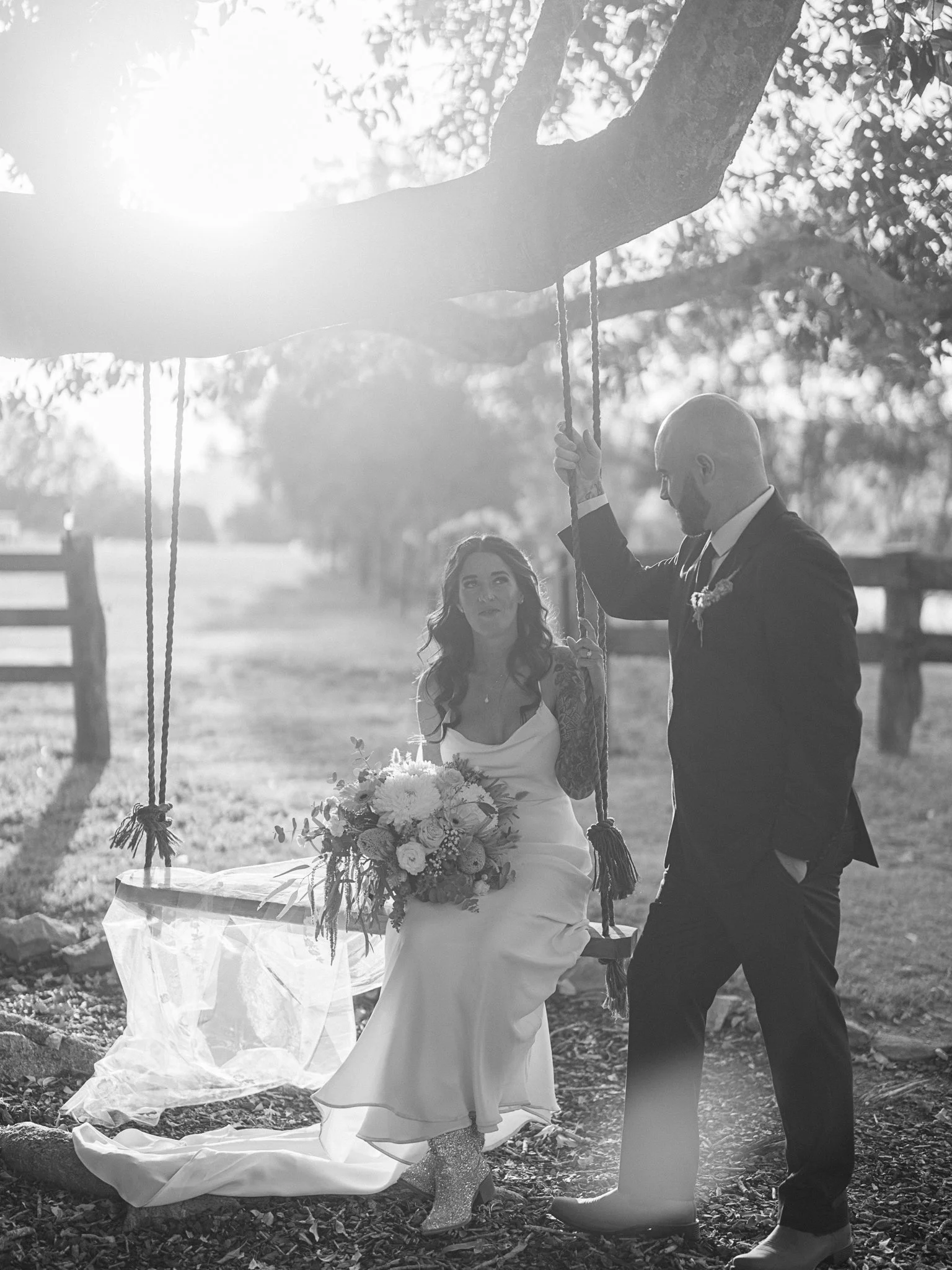
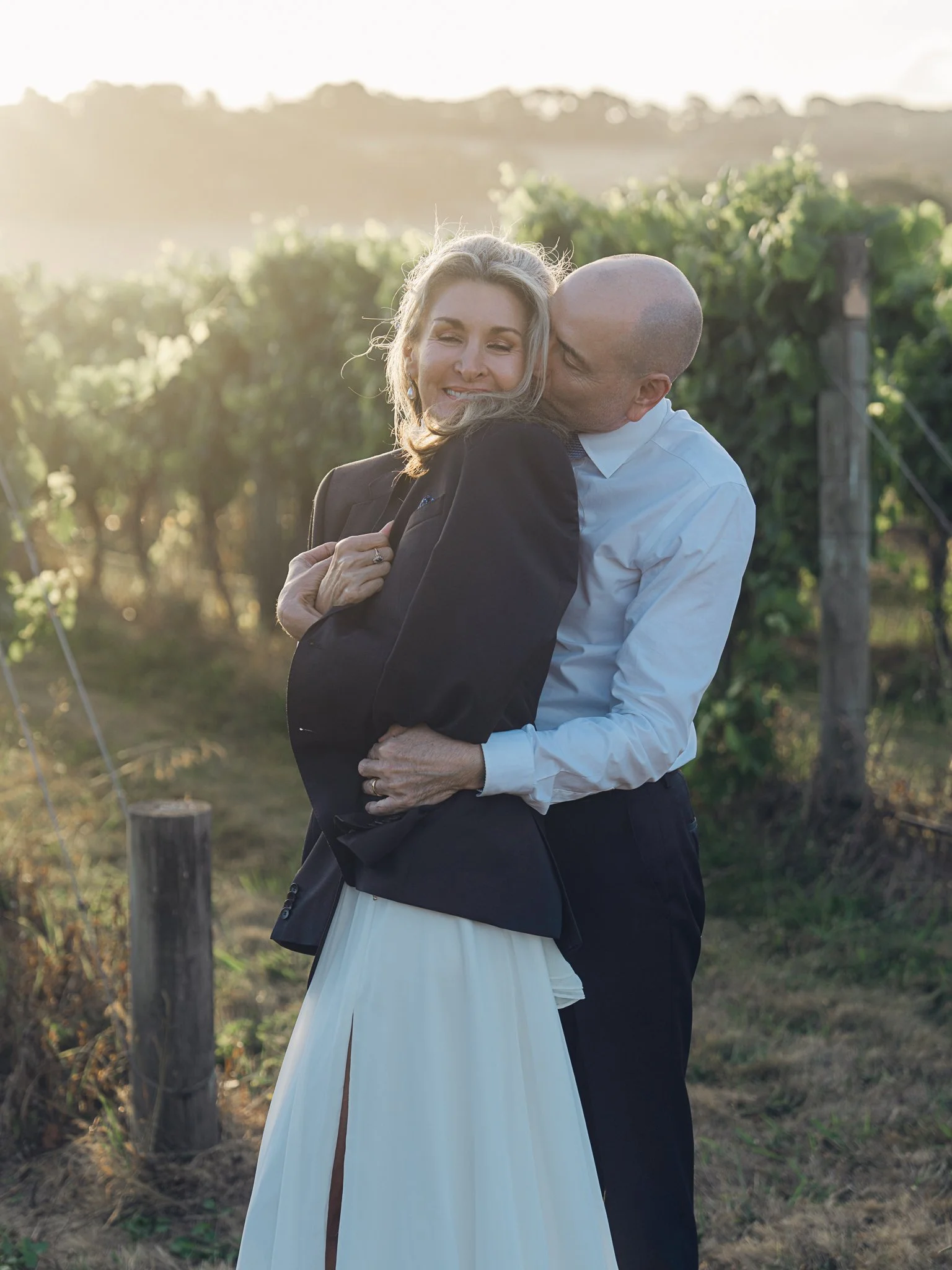
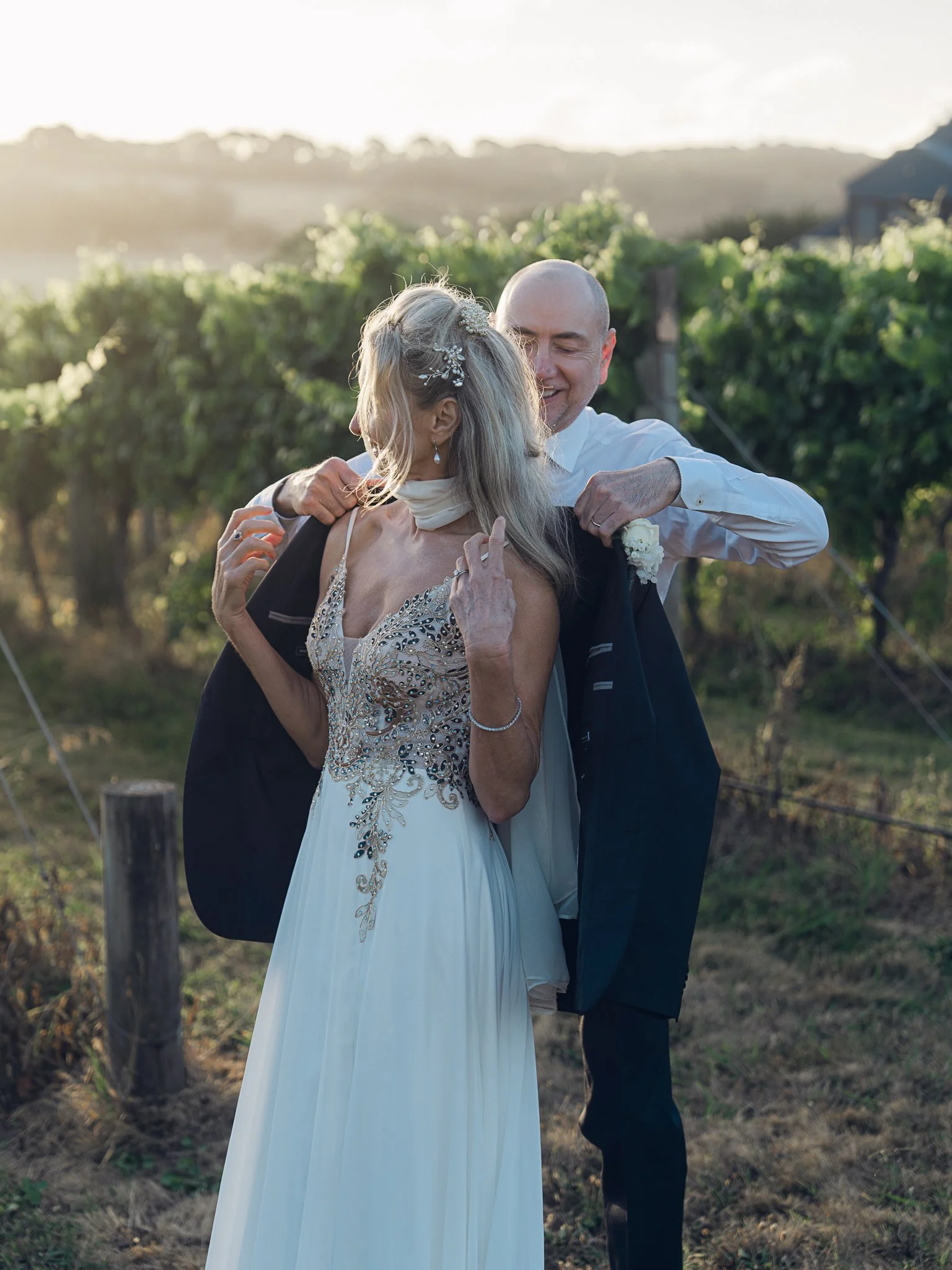
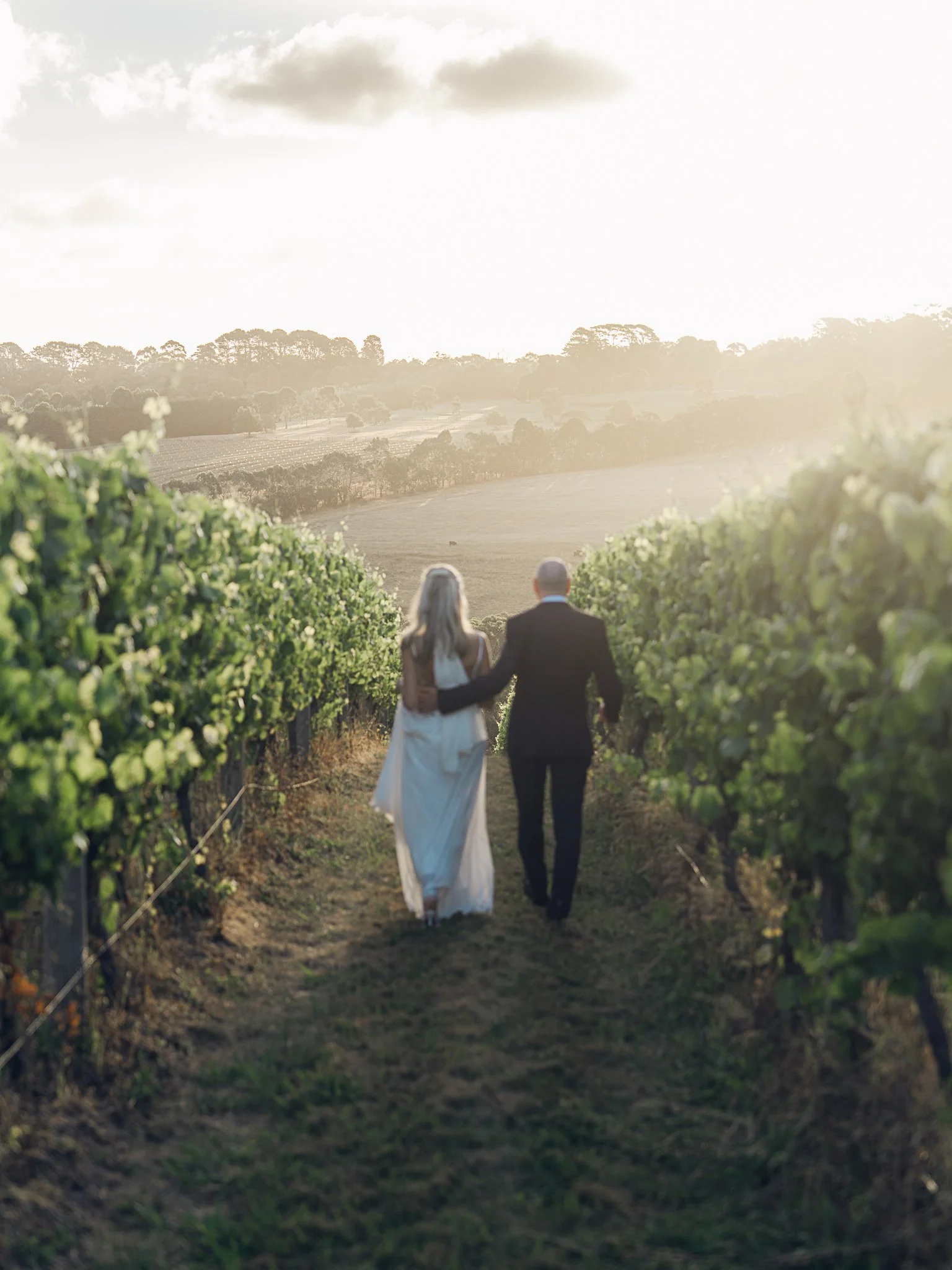
Whenever your timeline permits, we highly recommend protecting a brief window to step away during the softest, most romantic light of the day. Whether this arrives early in winter or late in the summer, an elevated timeline honors this window as a dedicated chapter of your story.
Minor Details that Elevate the Flow
Collaborate Early: Share your initial timeline draft with us so we can quietly refine any potential pressure points together.
Coordinate Loved Ones: Keep your wedding party and immediate family informed of when formal portraits take place so everyone is relaxed and ready.
Protect Private Space: Intentionally schedule a quiet, ten-minute window for just the two of you to step back and take the day in.
Embrace the Imperfect: Remember that the final goal isn't a flawless schedule—it is a day that feels entirely like you, with plenty of room for real life to happen.
If you’d like to see some sample wedding day timelines, check out our blog post here.
Intentional Guidance
You do not have to design this alone. We look at your rough ideas through the dual lenses of photography and videography, offering calm, practical suggestions to streamline the flow.
There is never any pressure. We are simply here to help shape an experience that feels calm, realistic, and completely true to your story.
Adam & Tyla xo